

Quick answer
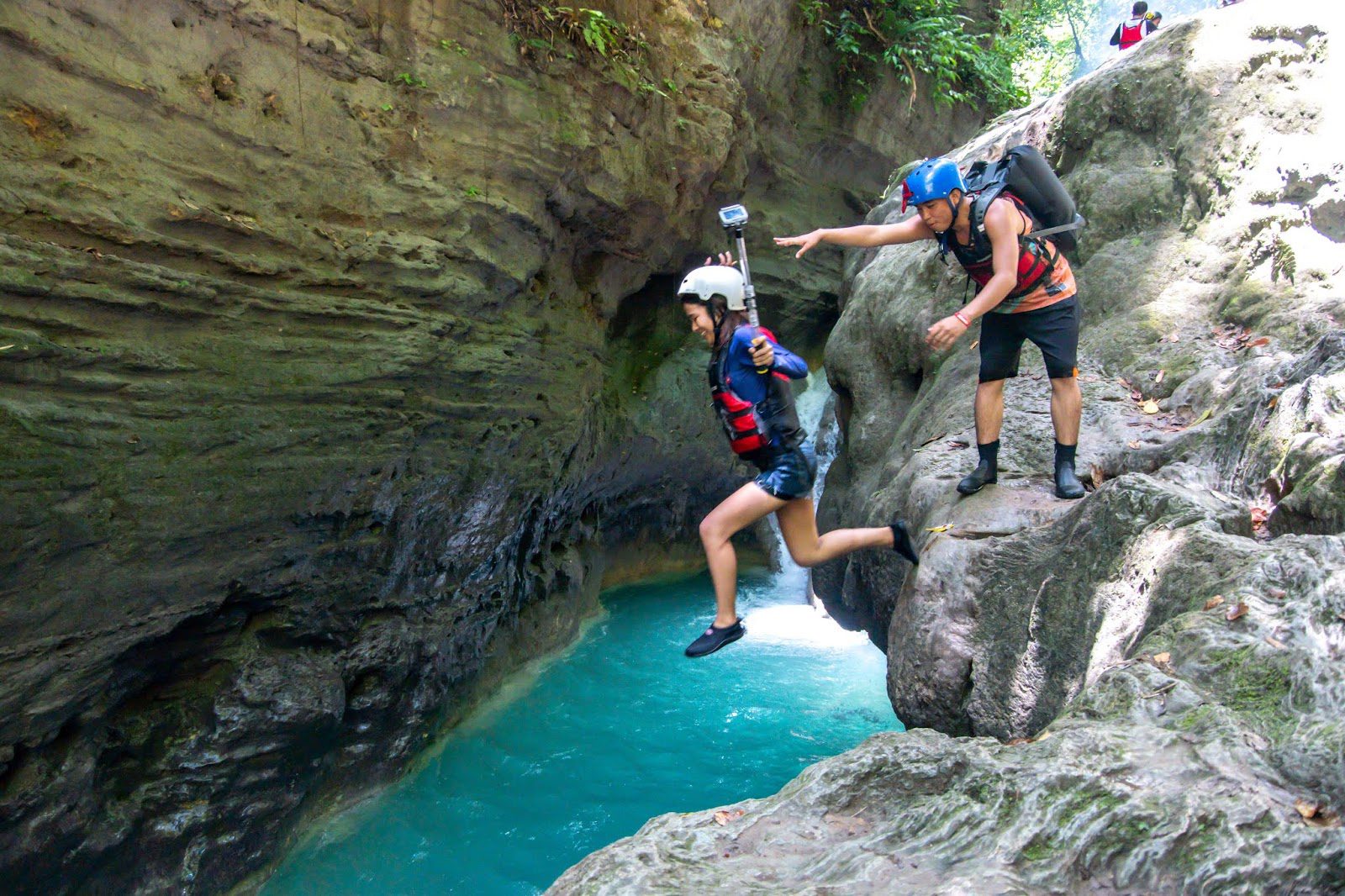
Canyoneering at Kawasan Falls is statistically safe when undertaken with a licensed guide and proper equipment, with serious injuries remaining rare across thousands of annual participants. The activity carries inherent risk—slippery rock faces, variable water flow, and mandatory cliff jumps—but outfitters follow standardized safety protocols including helmet and life-jacket requirements, pre-activity briefings, and guide-to-guest ratios that keep incidents infrequent. Your personal safety depends on honest assessment of swimming ability, willingness to follow instructions, and choosing a reputable operator.
Every licensed canyoneering guide in Badian municipality is required to complete a 40-hour certification course covering water rescue, first aid, and canyon-specific hazard recognition. That training standard, formalized in 2018 after a regional tourism safety review, is the foundation of why the activity remains accessible to recreational participants rather than reserved for technical athletes. The canyon route itself presents three categories of hazard: slippery limestone carved smooth by centuries of flow, water depth that varies with seasonal rainfall, and a sequence of jumps that cannot be bypassed once you commit to the descent. Guides assess conditions each morning and adjust the route when flow rates exceed safe thresholds, but the environment remains dynamic. Most incidents involve minor abrasions from uncontrolled landings or misjudged foot placement on algae-covered stone. Serious injuries—fractures, concussions, or near-drownings—are documented but statistically infrequent, occurring in fewer than one percent of participants according to municipal health records. The gear provided by licensed operators includes a climbing helmet rated for multi-impact protection, a buoyancy vest that keeps non-swimmers afloat in deep pools, and in some cases a wetsuit to prevent hypothermia during the two-to-three-hour descent. These items are not optional. Operators who allow participants to proceed without full equipment are operating outside the municipality's permitting framework, and their safety record reflects that divergence. Your individual risk profile depends less on the canyon itself and more on self-awareness. Participants who overestimate their swimming endurance, ignore guide instructions during jump sequences, or attempt the route under the influence of alcohol account for the majority of rescue interventions. The canyon does not forgive carelessness, but it rewards preparation and honesty about physical limits. If you can swim 25 meters unassisted, follow multi-step instructions under pressure, and accept that turning back is always an option, the activity sits well within the bounds of managed adventure tourism.
“The canyon does not forgive carelessness, but it rewards preparation and honesty about physical limits.”
Is Canyoneering Safe? Separating Reality from Common Misconceptions
Canyoneering involves jumping, sliding, and swimming through a river canyon, so secondhand accounts and social media clips tend to emphasize danger over the guided structure that actually governs the activity. This creates gaps between what people assume and how the activity is actually run.
MythCanyoneering at Kawasan Falls is an extreme sport only experienced athletes can do
FactThe activity is a managed adventure activity: routes are guided, sections are scaled to group ability, and access to Level One is covered by the standard 200 PHP conservation fee that every visitor pays, indicating it is designed for general visitor traffic rather than specialists.
MythYou can attempt the canyon without a guide if you're a confident swimmer
FactGuides are part of how the activity is managed for safety, since they know current conditions, jump heights, and line entries at each stage. Swimming ability alone doesn't account for the terrain knowledge guides provide.
MythThe jumps are the most dangerous part and should be skipped
FactJumps are optional at each stage and guides assess height and water depth before allowing them. The physical exertion of scrambling over wet rock and navigating current is a more constant factor than any single jump.
MythRainy weather doesn't affect how safe the canyon is
FactWater movement and current strength change with rainfall, which is why arrival timing and conditions matter; this is addressed in the best-time guidance rather than being a fixed safety fact on its own.
MythSafety gear is optional if you're already a strong swimmer
FactProper gear is what makes this a managed activity rather than an unmanaged one; swimming strength doesn't replace helmet and life vest protection against rock contact in moving water.
Is Canyoneering Safe? A Pre-Visit Preparation Checklist
Safe canyoneering at Kawasan Falls starts with the right preparation—here's what to sort before you arrive.
-
Book with a certified operator — Guides carry safety equipment and know emergency protocols.
-
Confirm fitness requirements with your operator — The route includes jumps, climbs, and sustained physical effort.
-
Pack a waterproof case for essentials — Phones and valuables stay dry during water crossings and swims.
-
Wear secured footwear with grip — Wet rocks and rope descents require ankle support and traction.
-
Bring 200 PHP cash for the conservation fee — The entrance gate at Badian collects this per-person charge.
-
Arrive between 06:00–09:00 — Early slots mean fewer crowds on ledges and at jump points.
When Is Canyoneering Safe? Best Times and Weather Considerations
The best arrival window is 06:00–09:00 to avoid mid-morning crowds and enjoy the pools at their quietest. Canyoneering safety relies heavily on favorable weather, as water levels can rise rapidly during heavy rain.
Dry Season (March–May)
Moderate to HighDry, 26°C–32°C. Stable conditions favor water activities.
Wet Season (June–February)
Low to ModerateRainy, 25°C–30°C. High flows may lead to closures.
Weekday mornings
Low—
Arriving early ensures a controlled, unhurried pace through the canyon.
Verdict: The best conditions occur during the dry season from March to May, specifically arriving between 06:00 and 09:00 on weekdays to ensure a controlled and uncrowded experience.
Official Opening Hours for Kawasan Falls
Kawasan Falls operates on a consistent daily schedule to facilitate visitor access. Planning your arrival within these established hours ensures you have adequate time to experience the area.
| Monday | 06:00–16:00 | |
|---|---|---|
| Tuesday | 06:00–16:00 | |
| Wednesday | 06:00–16:00 | |
| Thursday | 06:00–16:00 | |
| Friday | 06:00–16:00 | |
| Saturday | 06:00–16:00 | |
| Sunday | 06:00–16:00 |
Check availability
Common Questions About Canyoneering Safety at Kawasan Falls
Everything you need to know about is canyoneering safe